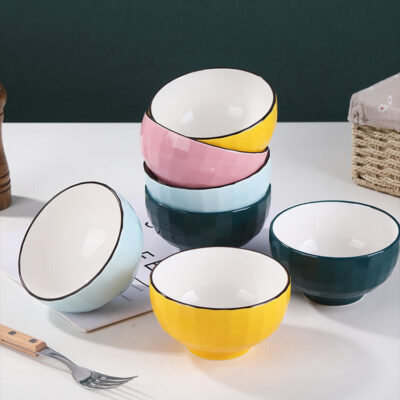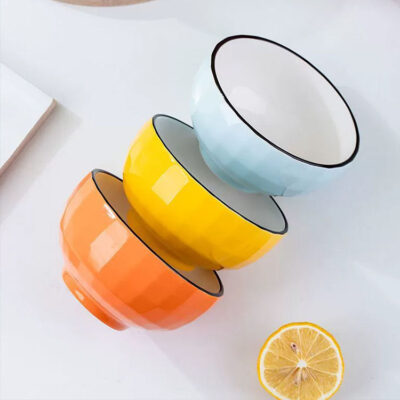


In the global tableware industry, food safety is not optional—it is a requirement. Ceramic bowls are popular across restaurants, hotels, catering services, and retail markets, but buyers must ensure compliance with food safety standards. The key issue is the glaze. Lead and cadmium, historically used for vibrant finishes, can leach into food if not controlled. Today, lead-free glaze is the standard for safe, compliant ceramic production.
This article explains why lead-free glaze is essential, what international standards apply, and how to source safe ceramic bowls through reliable suppliers.
1. Why Lead-Free Glaze Matters
Ceramic bowls are coated with glaze to create a smooth, protective surface. However, unsafe glazes can release heavy metals into food, posing serious health risks. Lead-free glazes eliminate this danger while still delivering vibrant colors and durable finishes.
For wholesale buyers, insisting on lead-free glaze is both a safety requirement and a brand reputation safeguard.
2. International Food Safety Standards
Importers and distributors must comply with food-contact regulations in different regions:
-
FDA (USA): Regulates ceramic ware for lead and cadmium release.
-
LFGB (Germany/Europe): Requires strict migration tests for food contact.
-
California Proposition 65: Enforces warning labels for products exceeding safe limits.
Suppliers who cannot provide test reports or certifications put buyers at risk of fines, recalls, and damaged credibility.
3. Testing and Certification
Buyers should request compliance documentation such as:
-
Lead & cadmium migration test reports
-
Food-contact safety certifications (FDA, LFGB, or equivalent)
-
Independent lab results to verify claims
A responsible supplier will readily provide these documents, proving that bowls meet global safety requirements.
4. The Role of Quality Control
Food safety is closely tied to quality control (QC) during production. Trusted suppliers test glaze composition at multiple stages, including raw material sourcing, kiln firing, and final inspection. This process ensures consistency across every batch, even in large wholesale orders.
5. Partnering with Reliable Suppliers
For global buyers, working with trusted partners is the best safeguard. Many businesses consolidate sourcing with Bowl Manufacturers to access certified producers with strong QC systems.
For ceramic-specific projects, professional Ceramic Bowl Manufacturers provide assurance on glaze safety, compliance reports, and international certifications—helping importers avoid regulatory risks.
6. Applications Across Markets
-
Restaurants & Hotels: Guarantee food safety for daily tableware use.
-
Retail Brands: Prevent costly recalls by sourcing compliant products.
-
Catering & Institutional Dining: Ensure guest safety at scale.
-
Private Label Collections: Build consumer trust with certified safe bowls.
Final Thoughts
Lead-free glaze is not just a marketing term—it is the foundation of safe ceramic production. Buyers must demand compliance documents, align with international standards, and choose manufacturers with strong QC processes.
By working with experienced suppliers, businesses can confidently deliver safe, high-quality ceramic bowls to global markets. Food safety compliance not only protects consumers but also strengthens brand credibility in competitive industries.