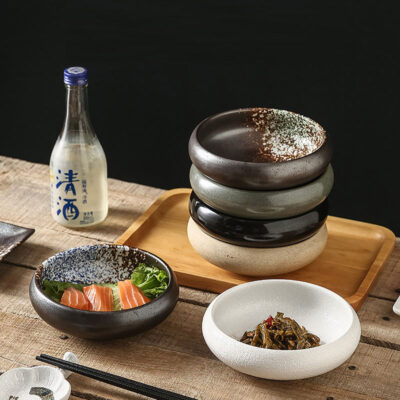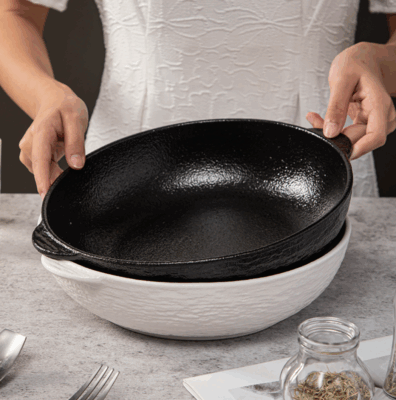


In modern food service, durability and convenience are just as important as style. While ceramic and stainless steel dominate many restaurant settings, plastic bowls offer unique advantages in catering, quick-service dining, and institutional environments. Lightweight yet tough, plastic bowls balance cost efficiency with practicality, making them a reliable choice for certain applications.
This article explores when buyers should choose plastic bowls, the key benefits they bring, and how to work with wholesale suppliers for consistent quality.
1. Benefits of Plastic Bowls
Plastic bowls provide solutions that traditional materials cannot easily match:
-
Lightweight: Easy for staff to carry in catering or outdoor events.
-
Impact resistant: Less prone to breakage during transport and service.
-
Cost effective: Lower unit price compared to ceramics or crystal.
-
Versatile designs: Available in multiple colors, shapes, and stackable forms.
These advantages make plastic bowls particularly suitable for high-turn, budget-conscious operations.
2. Best Use Cases for Plastic Bowls
Plastic bowls are not meant to replace ceramic or stainless steel in fine dining, but they excel in:
-
Catering events: Large-scale outdoor gatherings where weight and transport safety matter.
-
Quick-service restaurants (QSRs): Fast-paced service benefits from lightweight and durable tableware.
-
Institutional dining: Schools, hospitals, and care facilities often prefer plastic for safety.
-
Casual outdoor dining: Resorts and poolside service frequently rely on plastic bowls.
3. Durability and Limitations
While plastic bowls are strong, buyers should consider their limitations:
-
Not designed for high-heat applications (avoid ovens or direct microwaving unless specified as microwave-safe).
-
Surface can scratch over time if not handled properly.
-
Should be BPA-free and certified food-safe for safe dining use.
Understanding these boundaries ensures plastic bowls are used in the right context.
4. Wholesale Buying Considerations
For distributors and restaurants sourcing in bulk, plastic bowls can be a cost-efficient investment. Buyers should evaluate:
-
MOQ: Most suppliers set minimum orders of 1000–2000 pcs.
-
Customization: Options for color, shape, or logo printing to match branding.
-
Packaging: Proper cartons to avoid scratching during shipment.
To simplify procurement, many businesses work with Bowl Manufacturers for access to verified supply chains. For direct product specialization, sourcing from Plastic Bowl Manufacturers ensures consistent quality and tailored wholesale solutions.
5. Sustainability Trends
As sustainability becomes a global priority, buyers should look for recyclable plastics or bio-based alternatives. Many suppliers now provide eco-friendly plastic bowls that reduce environmental impact without sacrificing durability. This aligns with the growing demand from eco-conscious consumers and hospitality brands.
Final Thoughts
Plastic bowls are a lightweight, tough, and economical choice for specific food service needs. They thrive in catering, outdoor dining, and institutional settings where convenience and safety matter most. However, their use should be balanced with proper certifications and sustainability considerations.
By partnering with trusted wholesale suppliers, restaurants, hotels, and catering services can ensure consistent access to high-quality plastic bowls that match operational demands while keeping costs under control.